E-Bike Safety

Public Notice

On June 11, 2026, Washington State updated its electric-assisted bicycle (e-bike) laws through Enhanced Substitute Senate Bill 6110, which more clearly defines the difference between electric-assisted bicycles, or e-bikes, and electric motorcycles.

In Washington State, an electric-assisted bicycle (e-bike) is legally defined as two or three-wheeled, with a saddle, fully operative pedals. The electric-assisted bicycle's electric motor must have a power output of no more than seven hundred fifty (750) watts.
All electric assisted bicycles must fall into one of three specific classes listed below.

The Three E-Bike Classes

Washington law divides e-bikes into three distinct classes (RCW 46.04.169): 

  • "Class 1 electric-assisted bicycle" means an electric-assisted bicycle in which the motor provides assistance only when the rider is pedaling and ceases to provide assistance when the bicycle reaches the speed of twenty miles per hour.
  • "Class 2 electric-assisted bicycle" means an electric-assisted bicycle in which the motor may be used exclusively to propel the bicycle and is not capable of providing assistance when the bicycle reaches the speed of twenty miles per hour.
  • "Class 3 electric-assisted bicycle" means an electric-assisted bicycle in which the motor provides assistance only when the rider is pedaling and ceases to provide assistance when the bicycle reaches the speed of twenty-eight miles per hour and is equipped with a speedometer.

Washington laws provide a clear legal distinction between e-bikes and electric powered motorcycles or mopeds.

  • Pedal Requirements: by definition, electric assisted bicycles must have fully functional pedals. Devices without operational pedals or those that go faster than 20 mph on throttle alone are classified as motorcycles. 
  • Motorcycle Reclassification: If an electric cycle exceeds 750 watts, lacks functional pedals, or exceeds e-bike speed thresholds, it is classified as a motorcycle. This requires riders to have a valid driver's license, a motorcycle endorsement, vehicle registration, and license plates.

Operating a motorcycle without a driver’s license is a traffic offense, violators may be subject to significant fines and/or mandatory court appearances.  

Additional information regarding e-bikes and electric motorcycles enforcement can be found in the Mill Creek City Code, Chapter 10.28.
 

Electric bikes (e-bikes) and electric motorcycles (e-motorcycles) are very different devices and have different safety requirements to be operated in Mill Creek.

E-Bikes Versus E-Motorcycles
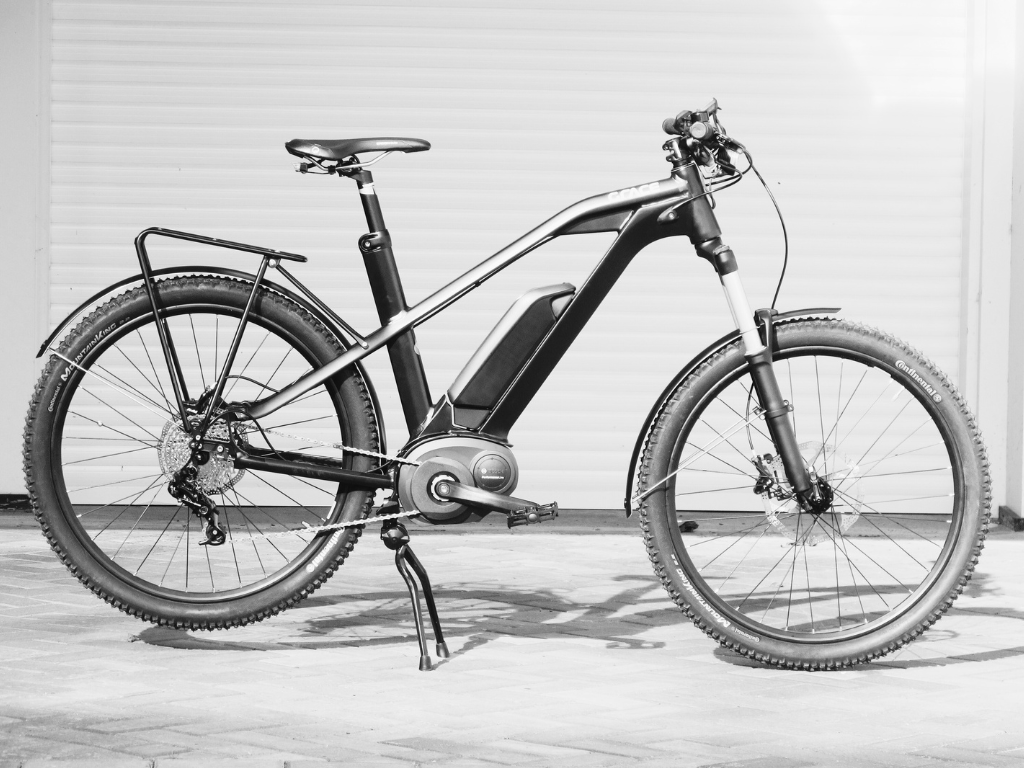
Photo of an electronic bicycle (or e-bike).

E-Bicycles (E-Bikes)

  • Have pedals.
  • May have electric assistance, such as a motor.
  • Must follow speed limits.
  • Must follow Mill Creek regulations.
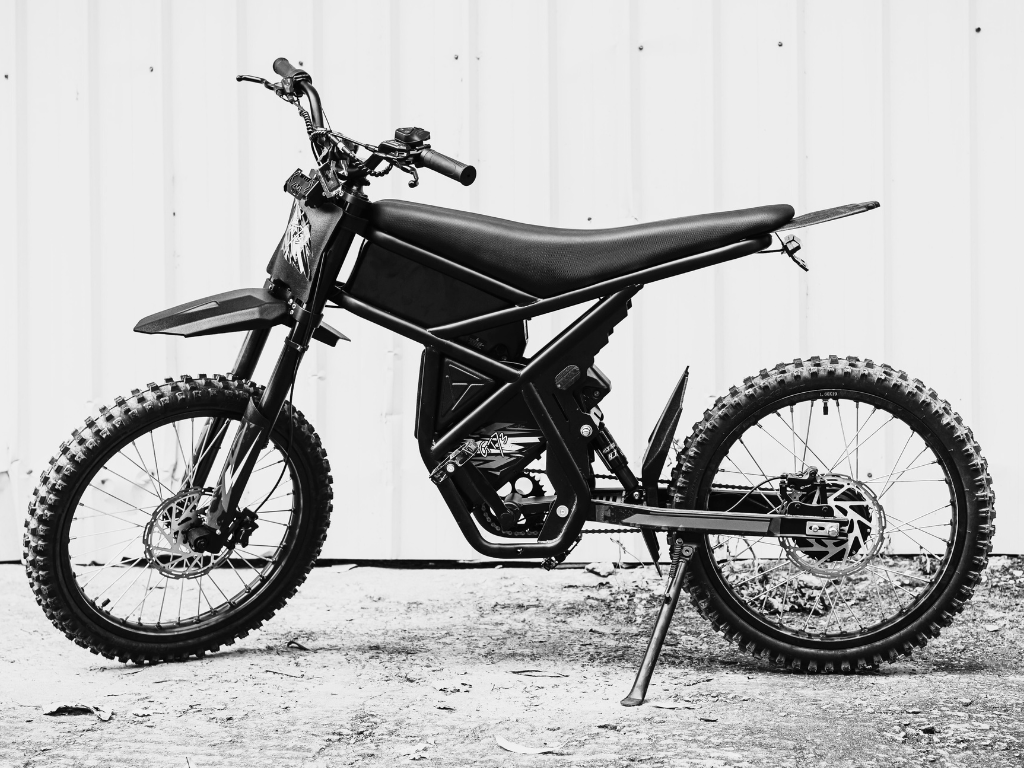
Photo of an electronic motorcycle (or e-motorcycle).

E-Motorcycles

  • Have only footpegs (not powered by pedals).
  • Motor-powered.
  • Require road legal safety features.
  • Require a driving endorsement or license
  • Require safety gear.

E-Bike Requirements

Electric bicycles are regulated like manual bikes, skateboards, and similar wheeled devices. They do not require a license, though some areas in Mill Creek prohibit their use on sidewalks (MCMC10.16 & MCMC10.28), and they must follow speed limits (up to 20 mph without pedaling, 28 mph with pedaling if equipped with a speedometer).

E-Motorcycle Requirements

Electric motorcycles are very different. The use of all motorcycles (gas and electric) must meet several legal requirements in the City of Mill Creek. These requirements include:

License

Driving endorsement (age 18+) or full driver’s license. 

Endorsement

"No person may drive either a two-wheeled or a three-wheeled motorcycle, or a motor-driven cycle unless such person has a valid driver's license specially endorsed by the director to enable the holder to drive such vehicles." (RCW 46.20.500). The RCW refers to the Director of Licensing.

Safety Features

Street legal safety features, such as: headlights, brake lights, mirrors, tires, fenders, and a horn (RCW46.37.530).

Safety Gear

Safety gear, including a Department of Transportation (DOT)-approved helmet.

Traffic Laws

Knowledge of and adherence to local traffic laws.

Responsibility

Responsible riding, in addition to traffic law.

E-Bike and E-Motorcycle Safety Risks

Parents and guardians should ensure young riders understand the risks of e-motorcycles versus e-bikes and follow local regulations.

Letting children and unlicensed drivers operate e-motorcycles poses numerous safety risks to the driver and the community:

Lack of Experience

Young riders often do not have the driving skills to safely maneuver, handle road hazards, or control the speed and acceleration of e-motorcycles.

No Safety Features

Many electric motorcycles are not equipped with essential safety parts, such as brake lights, turn signals, or mirrors. These are required under state law for safe motorcycle operation.

High Injury Risk

Inexperienced riders are more likely to crash. And a minor accident can result in serious injury, especially without protective gear.

No Training or Licensing

Riders under 16 do not qualify for motorcycle permits. Unpermitted or fully licensed drivers have not completed safety courses required for legal motorcyclists.

Search